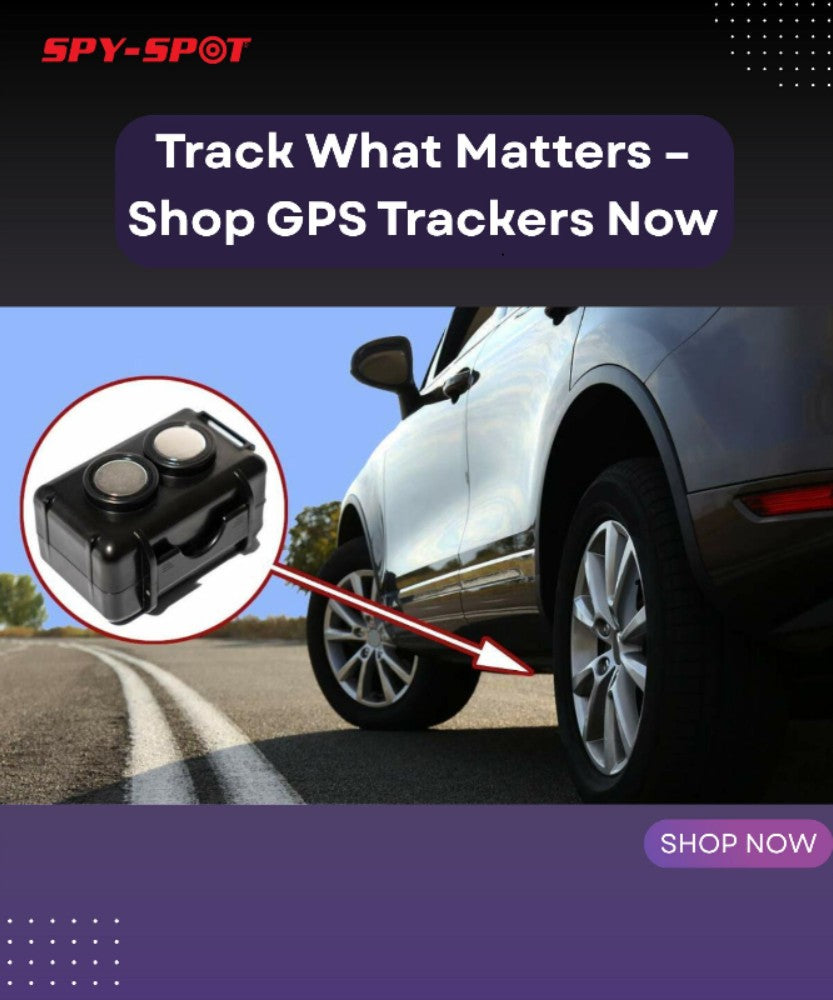


If you rent out a vehicle on Turo, through a fleet program, or as a private rental host, you've probably already run into this: your insurance or protection plan provider wants proof of GPS tracking before they'll cover certain incidents - or before they'll offer their best rates at all.
This isn't a random ask. It's becoming standard across the rental and hosting industry, and it's worth understanding why, and what actually qualifies.
Why insurers care about GPS tracking for rental vehicles
Rental vehicles carry a different risk profile than a car you drive yourself:
- Unknown drivers - you don't control who's behind the wheel on any given trip
- Higher theft and "disappearance" risk - vehicles can be taken across state lines or held past the rental period
- Recovery speed matters more - a rental sitting unrecovered for weeks is a total loss for the host, not just an inconvenience
A GPS tracker with a remote kill switch addresses all three: it identifies exactly where the vehicle is at all times, and gives the host (or authorities) a way to immobilize it if a rental goes off the rails.
What "approved" tracking usually means
Insurance and protection programs that require tracking are typically looking for:
- Real-time location, not periodic check-ins
- Ignition/starter control (a kill switch), so a vehicle can be disabled if it's not returned
- Independent cellular connectivity — the tracker needs its own SIM and data connection, not reliance on the renter's phone
- Installation that isn't easily removed by the renter mid-trip
Our GV53MG 4G LTE Hardwired GPS Tracker with Kill Switch is built around exactly this use case — it's hardwired behind the dashboard (not something a renter can unplug from the OBD port), includes a remote starter disable, and reports in real time with a 6-month history for documentation if you ever need to file a claim.
Managing multiple rental vehicles
If you're scaling a hosting or rental fleet, per-unit pricing adds up fast. Bulk pricing brings the per-unit cost down as you add vehicles - useful to check before you order one at a time.
What to check with your own provider
Before you buy anything, confirm with your specific insurer or platform program:
- Do they require a hardwired install, or is a portable/OBD tracker acceptable?
- Do they require kill switch capability, or just location tracking?
- What documentation do they want at signup - a receipt, an install photo, or an active account?
Requirements vary by provider and can change, so treat this as a starting point for that conversation, not a substitute for it.
Bottom line
If your rental or hosting program has started asking about GPS tracking, it's not a formality - it's increasingly a condition of coverage. A hardwired tracker with a kill switch checks the boxes most programs are looking for, and it protects your asset either way.
Shop the GV53MG (bulk pricing available): https://spy-spot.com/products/new-4g-lte-hardwired-gps-tracker-with-remote-starter-disable-vehicle-kill-switch
Also available on Amazon: https://www.amazon.com/spyspot