

Surveillance equipment sells on trust as much as features - so before we talk about any specific product, let's talk about the law, in plain language. (This is general information, not legal advice - always confirm current rules with your state or an attorney before installing tracking or recording equipment.)
It generally comes down to three questions
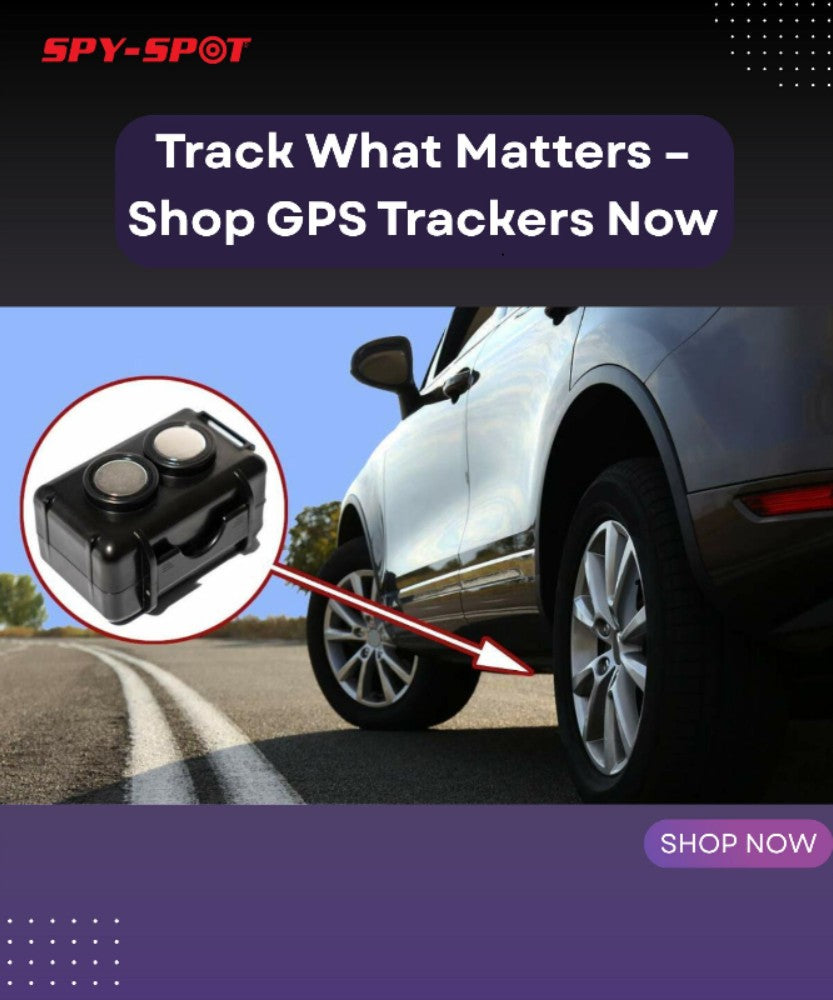
1. Do you own the vehicle, or have a legal right to it? In most states, you can place a GPS tracker on a vehicle you own outright - your car, your company's fleet vehicle, your teen's car that's titled in your name. Tracking a vehicle you don't own or have legal authority over is a different, much riskier situation.
2. Are you recording audio, video, or just location? Location-only GPS tracking is treated differently than audio or video recording almost everywhere. Audio recording is where consent laws get strict.
3. How is the equipment actually being used? Video is generally permitted as long as you're not invading someone's reasonable expectation of privacy (for example, recording inside a bathroom or a private residence without consent is not okay, regardless of state).
One-party vs. two-party consent (audio)
This is the single most important distinction for audio recording in the U.S.:
- One-party consent states: only one person in the conversation needs to know it's being recorded (that can be you).
- Two-party (all-party) consent states: every person being recorded must know about it in advance.
Example - Florida: Florida is a two-party consent state for audio. That means if you're recording a conversation, everyone involved needs to be informed first. Video recording, on the other hand, is generally fine as long as it doesn't invade someone's privacy.
Consent laws vary by state and can change - always verify the current rule where you live before recording audio.
A simple pre-install checklist
- Do you own or have legal authority over the vehicle/property?
- Is your state one-party or two-party consent for audio?
- Are you recording video only, or audio too?
- Could this be seen as invading someone's reasonable expectation of privacy?
- Have you checked your state's current law (not just what you've heard)?
Bottom line
GPS tracking and recording equipment are powerful tools for protecting vehicles, assets, and family - but "can I buy it" and "can I legally use it this way" are two different questions. When in doubt, check your state's specific statutes or talk to an attorney before you install anything.
Browse our full range of GPS trackers and cameras: spy-spot.com/collections/all
Also available on Amazon: amazon.com/spyspot